 yuqi@mhceramic.com
 +86-18306150537
 English

Design for Manufacturability
Industrial ceramics are hard, brittle and subject to sintering shrinkage. Materials, structure, tolerances and machining methods must therefore be reviewed before production.
Based on drawings, samples and application requirements, Minghao reviews material selection, part design, forming, sintering shrinkage and secondary machining. This helps identify risks early and create a practical plan for stable production.
Our goal is to improve manufacturability, production consistency and cost efficiency without changing the product’s function.
01 Application Review We review operating temperature, insulation requirements, working conditions and performance needs to confirm whether the material and design suit the application.
02 Ceramic Material Selection Industrial ceramic materials differ in insulation, strength, wear resistance, heat resistance and thermal stability. We help select the right material based on the application, part structure, accuracy and order volume.
03 Manufacturability ReviewCeramic parts may shrink, deform, crack or chip during forming, drying and sintering. We review key design features before production to reduce these risks.
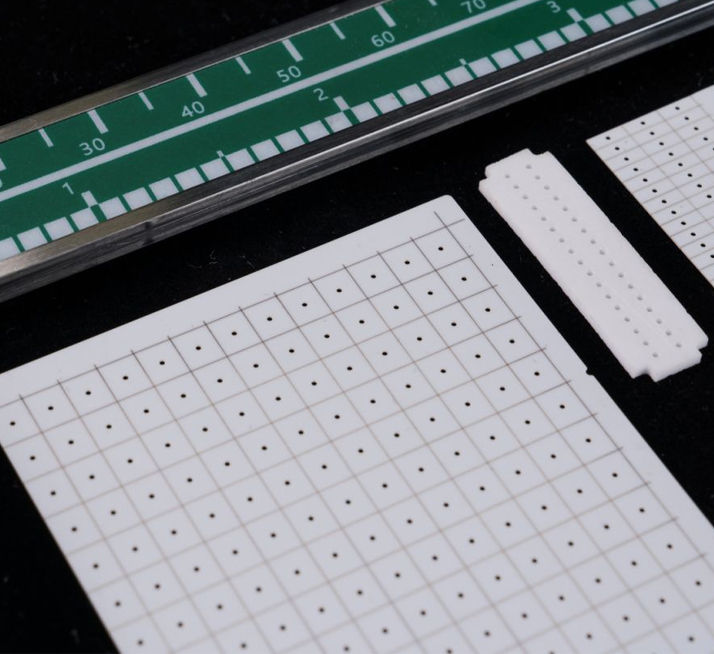
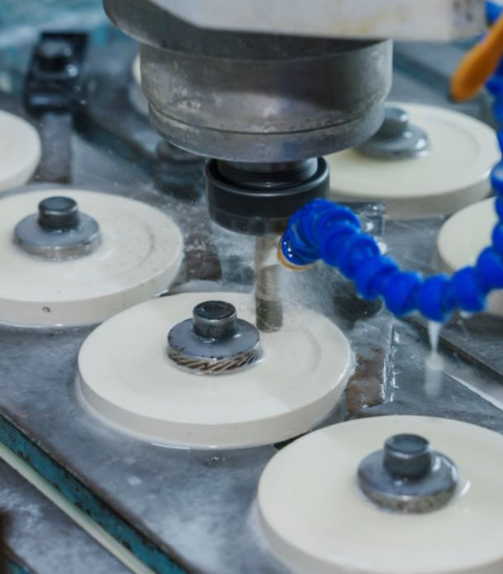
04 Tolerance and Surface Review Sintered ceramics are very hard. Tight tolerances and fine surfaces often require CNC machining, grinding or other finishing processes.
Our Process
-
01
Requirement Confirmation Customers provide 2D drawings, 3D models, samples or specifications, together with application conditions, material needs, order quantity and key performance requirements.
-
02
Material and Process EvaluationOur engineers evaluate suitable forming, sintering and machining methods based on the design, material, tolerances and production volume.
-
03
Manufacturability RecommendationsWe suggest improvements to wall thickness, radii, hole positions, tolerances and machining areas to reduce cracking, deformation, machining difficulty and cost.
-
04
Prototype ProductionSamples or small batches are produced for dimensional inspection, assembly checks and application testing.
-
05
Production PreparationAfter sample approval, forming, sintering, machining and inspection standards are finalized for repeat production.
Design Factors for Industrial Ceramics
Sintering Shrinkage Ceramic parts shrink during high-temperature sintering. The shrinkage rate depends on the material, forming method and sintering conditions. Mold and green-body dimensions must include shrinkage allowance.
Wall Thickness Uniform wall thickness supports stable forming, drying and sintering. Large thickness changes may cause uneven shrinkage, deformation or cracking.
Corners and Transitions Sharp internal corners can create stress concentration. Rounded corners and smooth transitions help reduce cracking.
Holes and Fine Features Small holes, deep holes, narrow slots and complex internal features may require machining before or after sintering. The process depends on the material, size, depth and tolerance.
Machining Allowance Sintered ceramics are difficult and costly to machine. Grinding or CNC machining allowance should be reserved for critical dimensions and surfaces.
 yuqi@mhceramic.com
 +86-18306150537
 Dashu Industry Park, Nanyuan Village, Yicheng Subdistrict, Yixing City, 214225, Jiangsu Province, China

Copyright © Yixing Minghao Special Ceramic Technology Co., Ltd. All Rights Reserved.
